

Origin
Who we are
Asociación Campesina LEGADOS was founded by a woman farmer and brings together more than 30 coffee-growing families in northern Nariño, Colombia.
They are small-scale growers, with about one hectare of coffee on average. The Association accompanies each coffee from the farm to the buyer, through direct trade and a short supply chain.
The territory
- Colombia
- Northern Nariño
- altitude
- 1,700–2,200 m
- Harvest
- May–September
- of coffee per family
- ≈ 1 ha
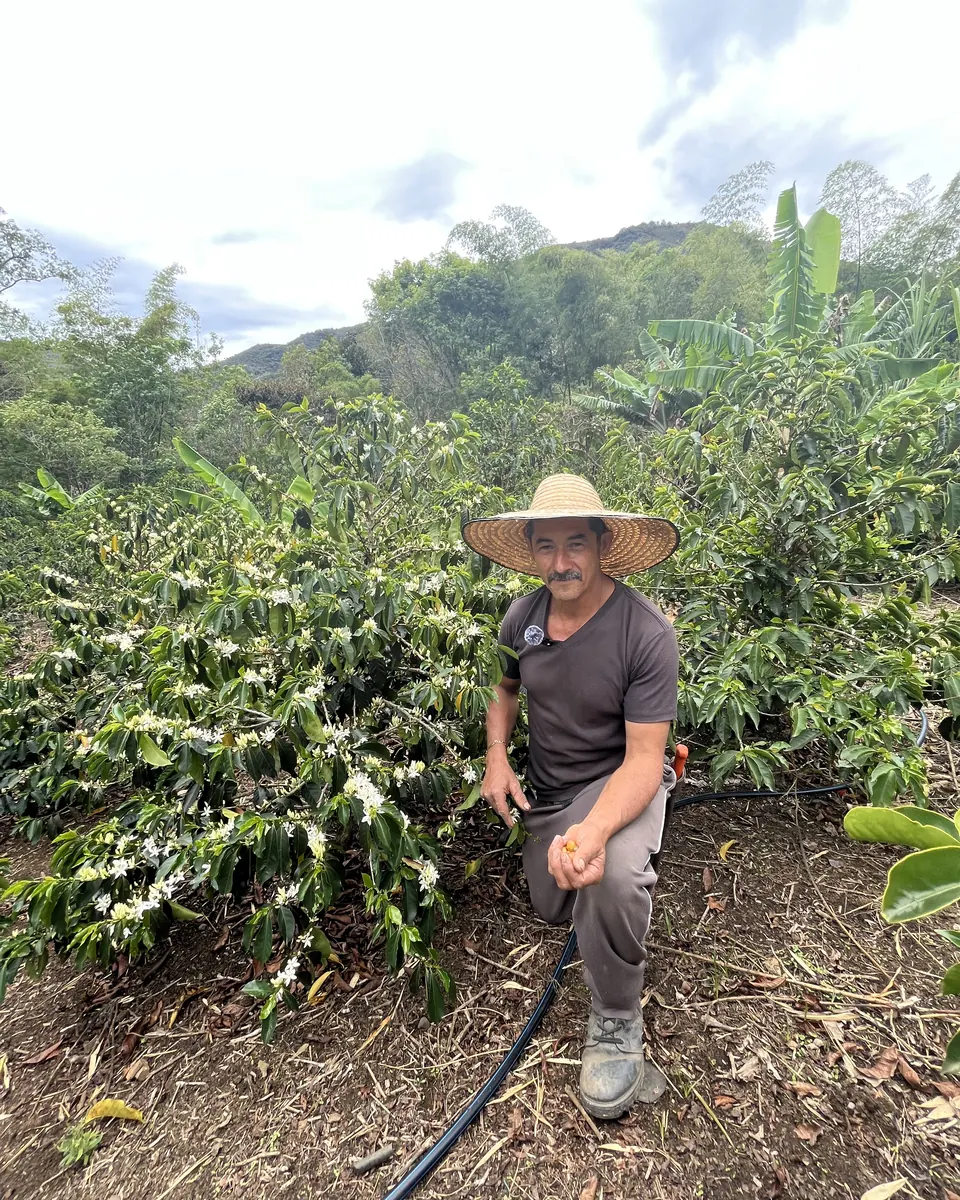
Northern Nariño is mountain country: hillside farms between 1,700 and 2,200 meters, where coffee is grown and picked by hand. In the department, more than 39,000 families grow it in 41 municipalities, on farms of about one hectare. In rural Nariño, poverty is twice as high as in its cities.
Sources: Government of Nariño (coffee-growing families) · DANE, Multidimensional Poverty 2025.
From these mountains, coffee has carried Colombia’s name around the world, cup by cup.
Asociación Campesina LEGADOS works so that this coffee reaches the people who drink it directly, with the name of the farm that grew it.
Sources: Government of Nariño (coffee-growing families) · DANE, Multidimensional Poverty 2025.

How we farm
Our farms are in agroecological transition.
On the farm
- Shade We grow coffee under native and fruit trees.
- Streams We plant native trees along their banks.
- Compost We turn prunings from the shade trees into compost, together with biofertilizers.
- Food crops Plantain, fruit trees and citrus grow alongside the coffee, for the families’ table and as additional income.
The coffee
- Varieties Among others, Castillo, Colombia, Caturra, Bourbon Rosado and Geisha.
- Harvest From May to September, we pick only ripe cherries, one by one, by hand. See Quality and process
Knowledge
- Research We test new biofertilizers and agroecological techniques with the families, starting from what they know about their land.

Value chain
- 1 Growers
- 2 Processing fermentation and drying
- 3 Analysis physical and sensory
- 4 Roasting
- 5 Barista work
- 6 Export
Roasting and export are done by the Association, with no intermediaries.
Laboratory results and what buyers think of their coffee go back to each family.

Growers
Each lot in the portfolio carries the name of its farm and, when the grower authorizes it, their profile.
-
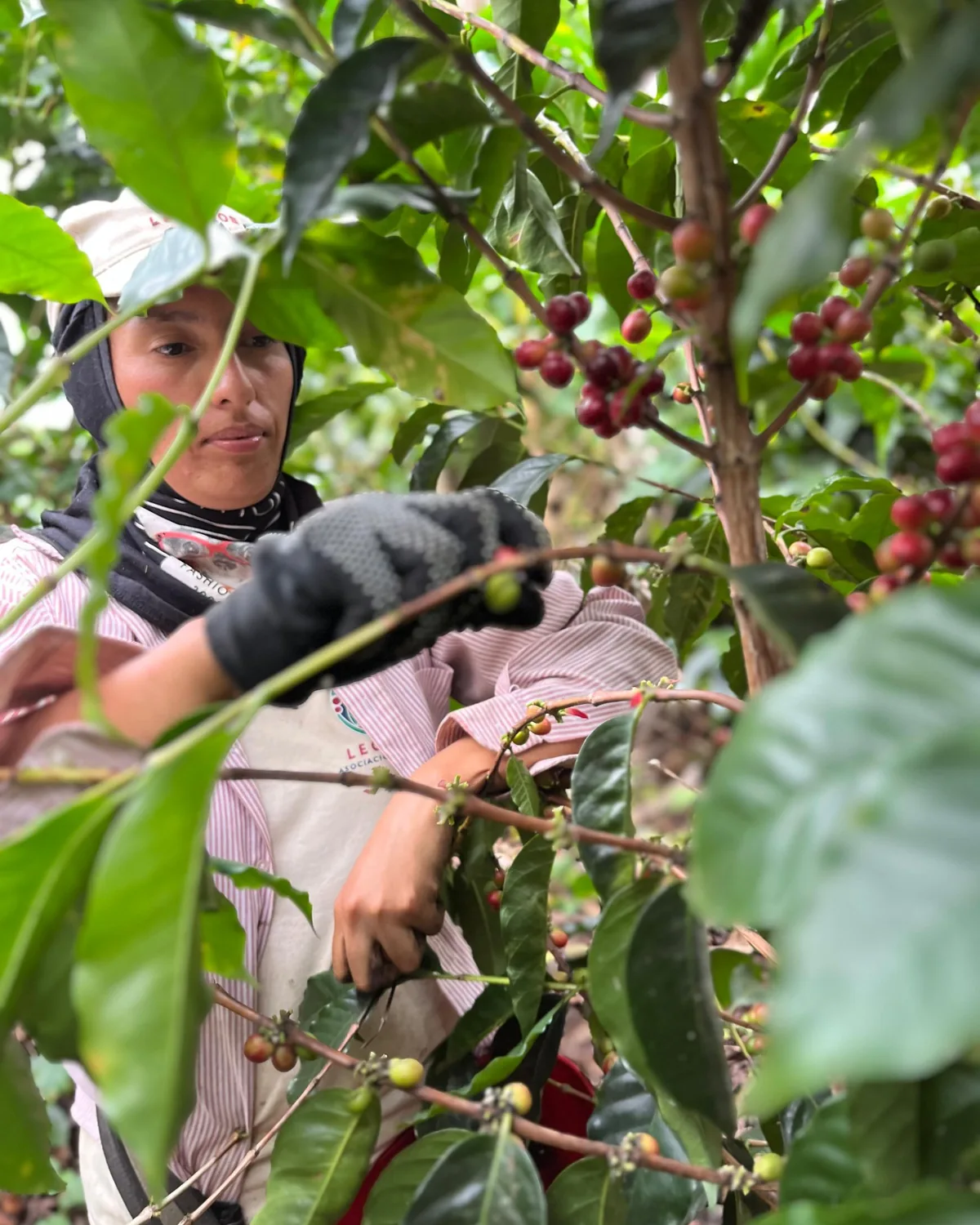 Carolina Erazo Taminango Colombia y Castillo · 3 lots in the portfolio Discover her story
-
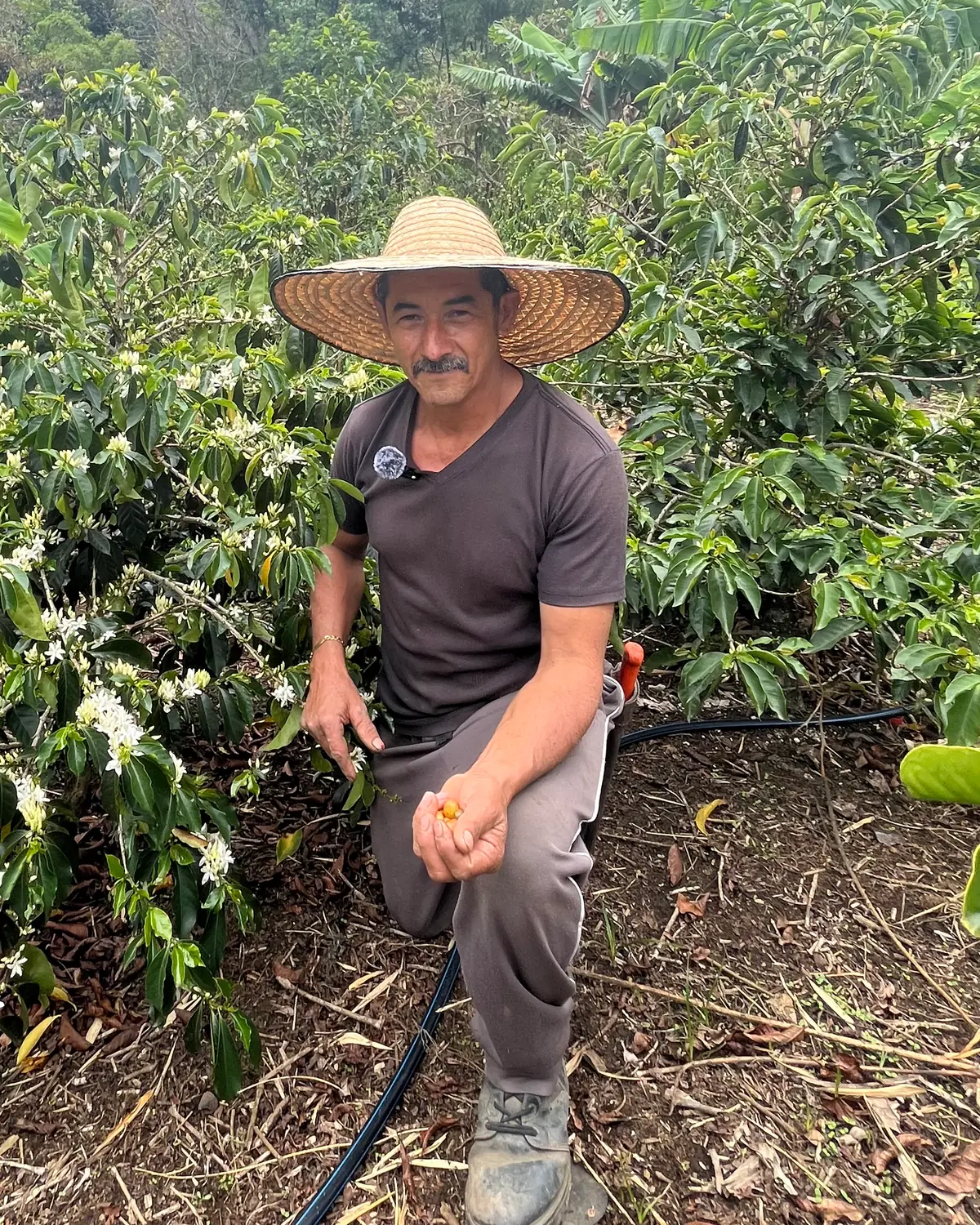 Martín Ortiz El Plan · San Lorenzo · 1,800 m Bourbon Rosado · 5 lots in the portfolio Discover his story
-
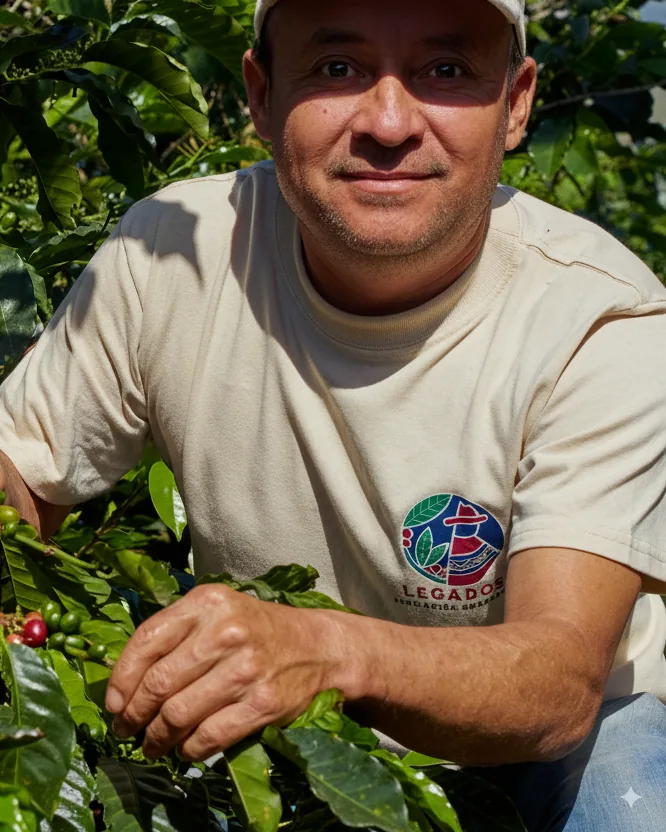 Emiro Erazo El Guadual · San Lorenzo · 1,900 m Geisha, Blend Geisha/Bourbon Rosado · 6 lots in the portfolio Discover his story
- Aurelio Martínez San Lorenzo · 2,000 m Geisha · 3 lots in the portfolio Discover his story
- Ariel Hidrobo San Lorenzo Bourbon Rosado · 1 lot in the portfolio Discover his story
-
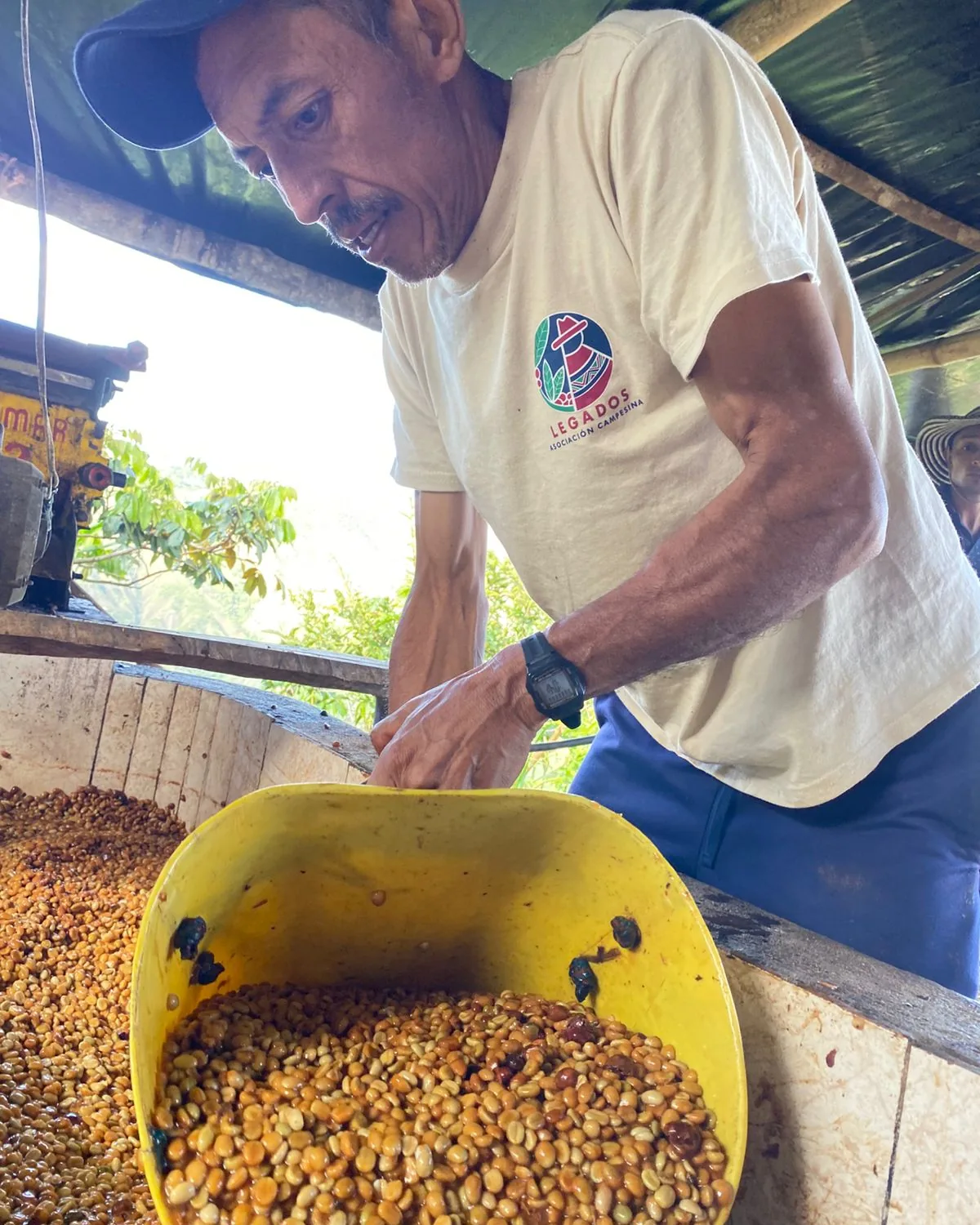 Hernán Erazo Taminango · 1,860 m Colombia · 3 lots in the portfolio Discover his story
- Antonio Andrade San Lorenzo Discover his story
- Elmer García San Lorenzo Bourbon Rosado · 2 lots in the portfolio Discover his story
-
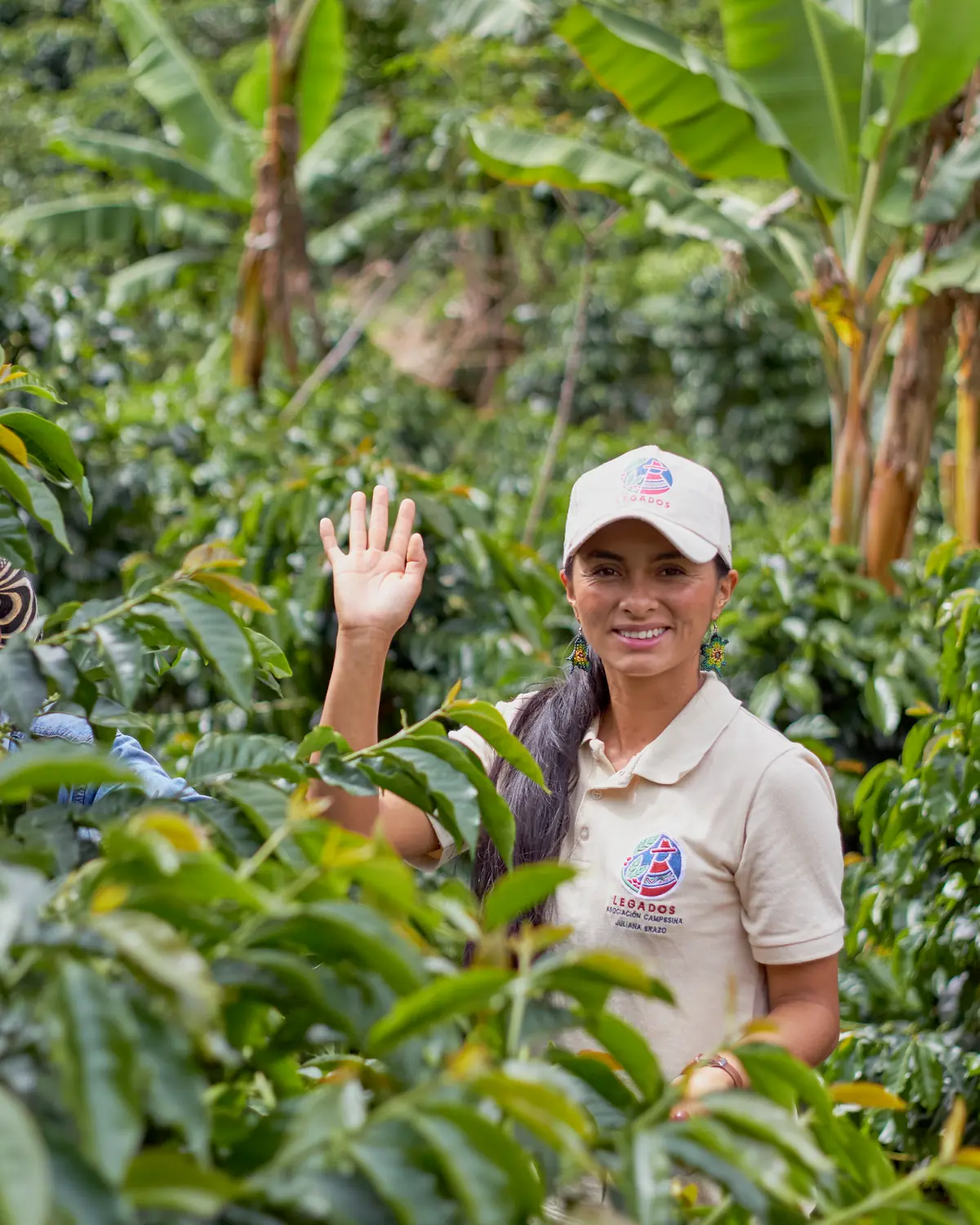 Juliana Erazo Taminango Discover her story
-
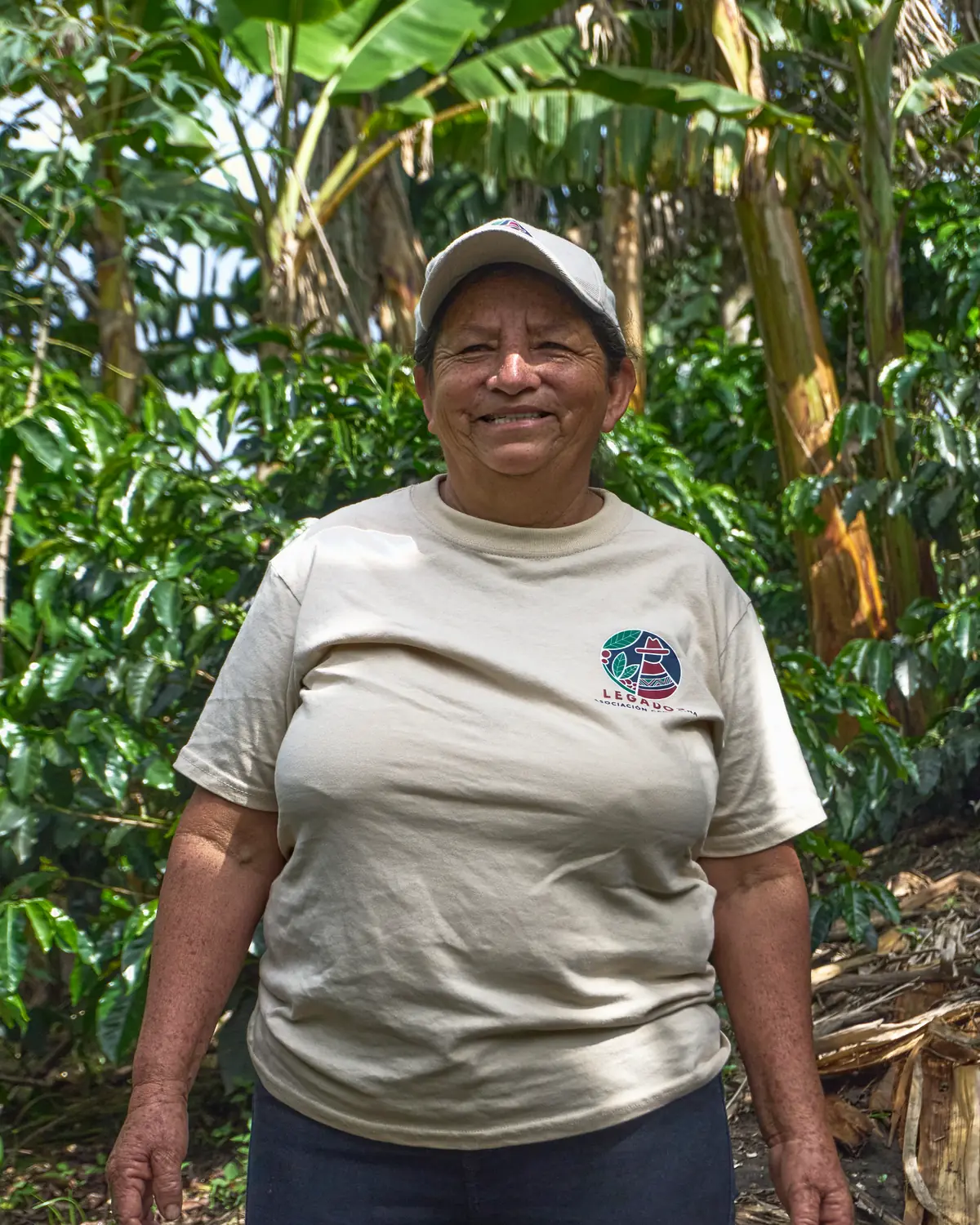 Nilsa Muñoz Taminango Discover her story