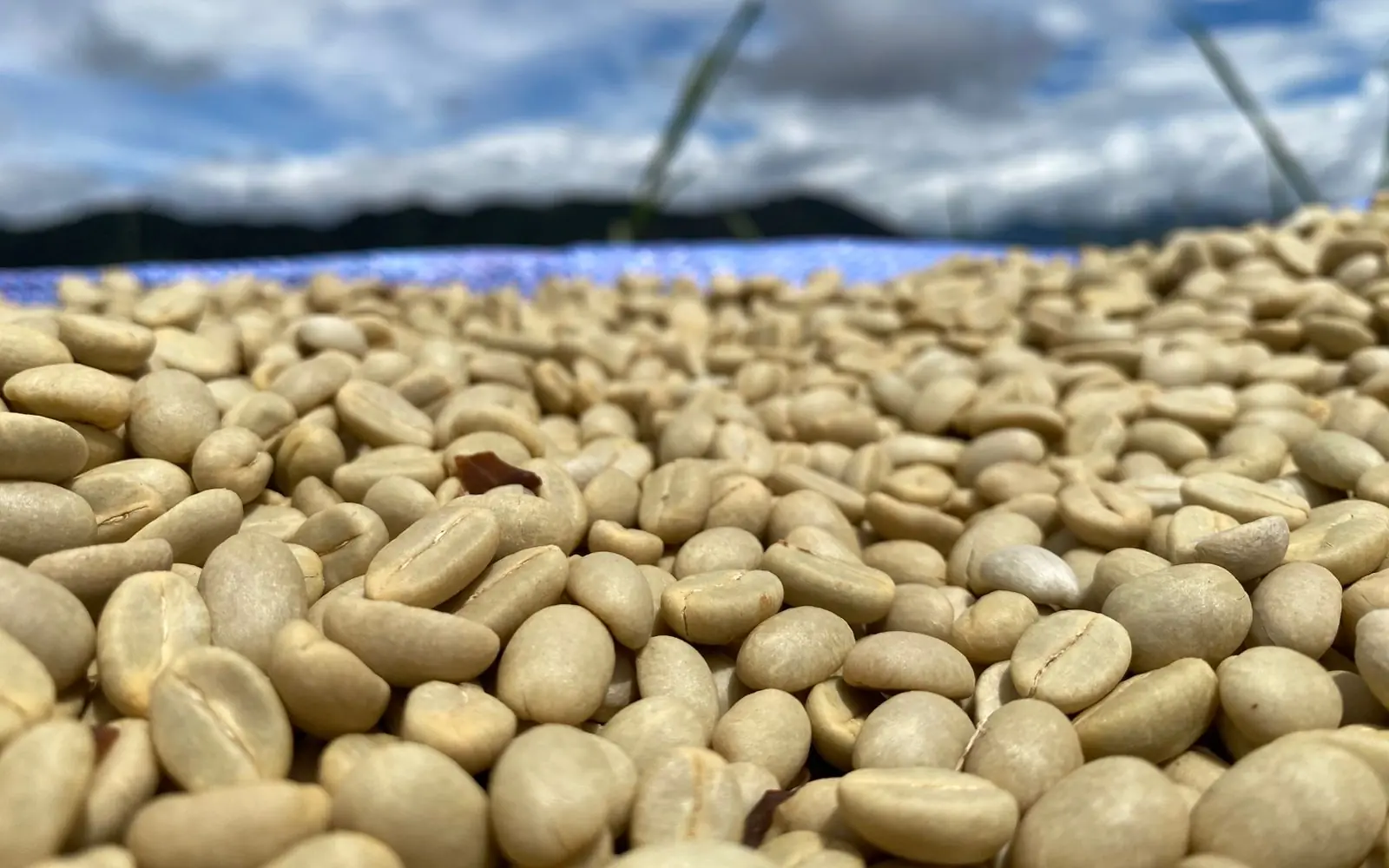
Washed
The pulp is removed, the beans ferment in tanks for a controlled time and are washed to remove the mucilage.
What dries · the bean in its parchment

We follow each lot from bean to cup. We accompany the crop on the farms as the plant grows, and each stage is recorded by grower and lot.
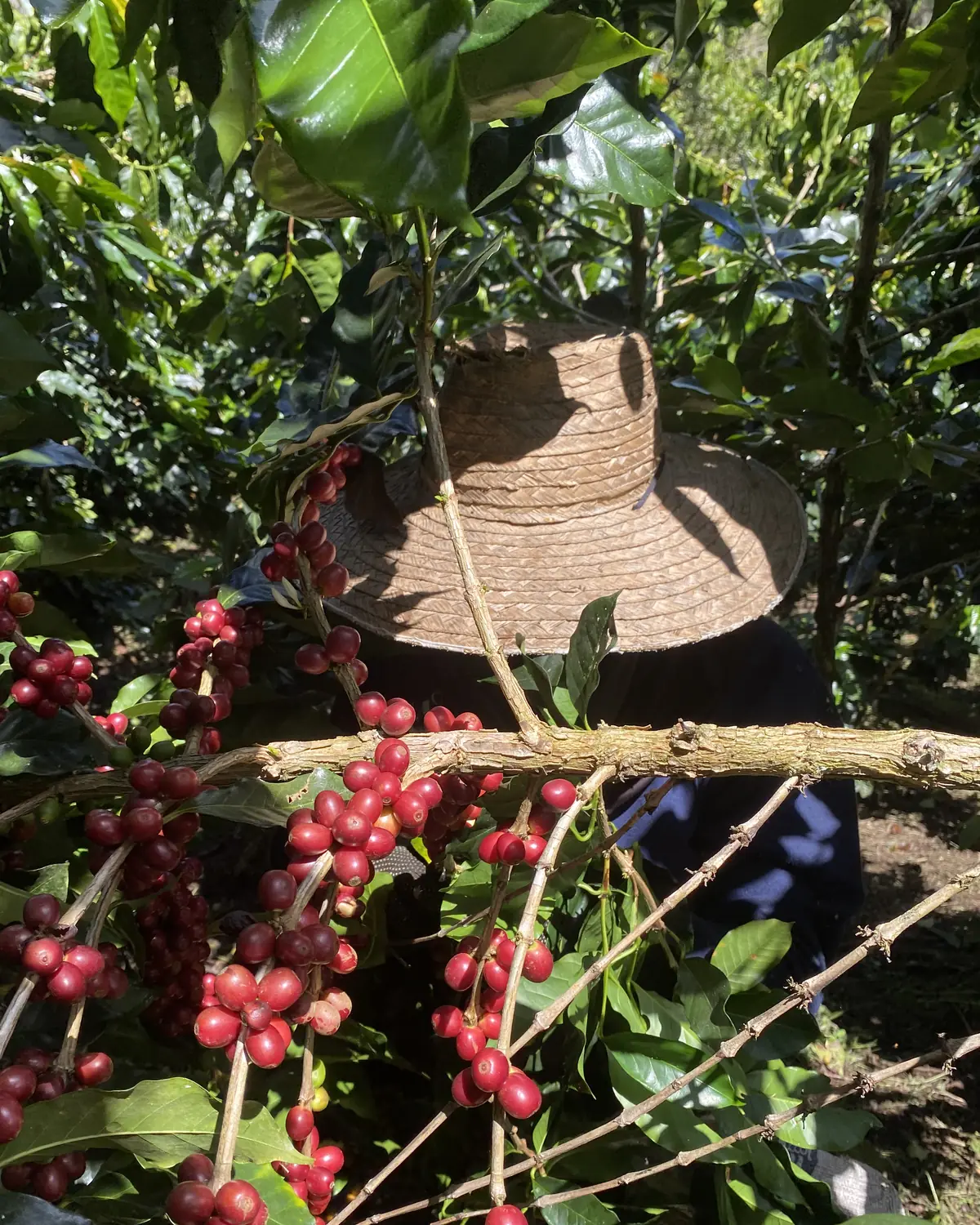
Growers pick ripe cherries selectively, by hand.
Each lot’s sheet states its process, fermentation hours and drying method.
The pulp is removed, the beans ferment in tanks for a controlled time and are washed to remove the mucilage.
What dries · the bean in its parchment
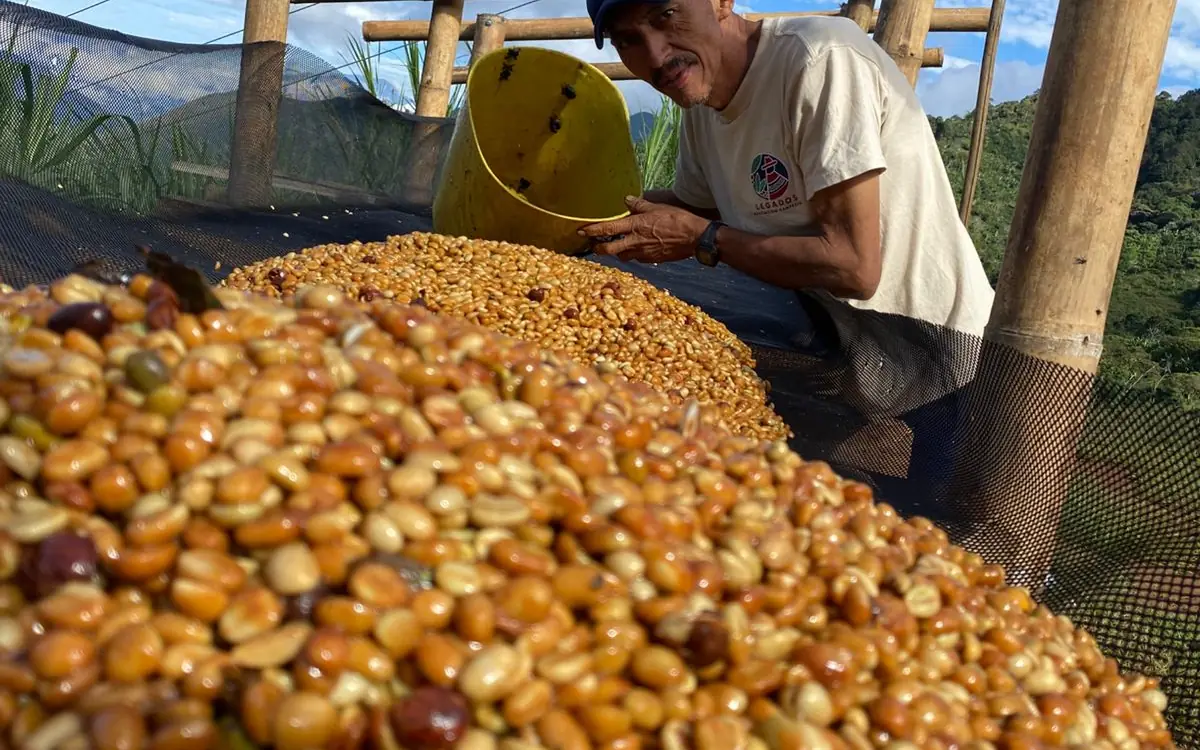
The pulp is removed and part of the mucilage stays on the bean while it dries.
What dries · the bean with part of the mucilage
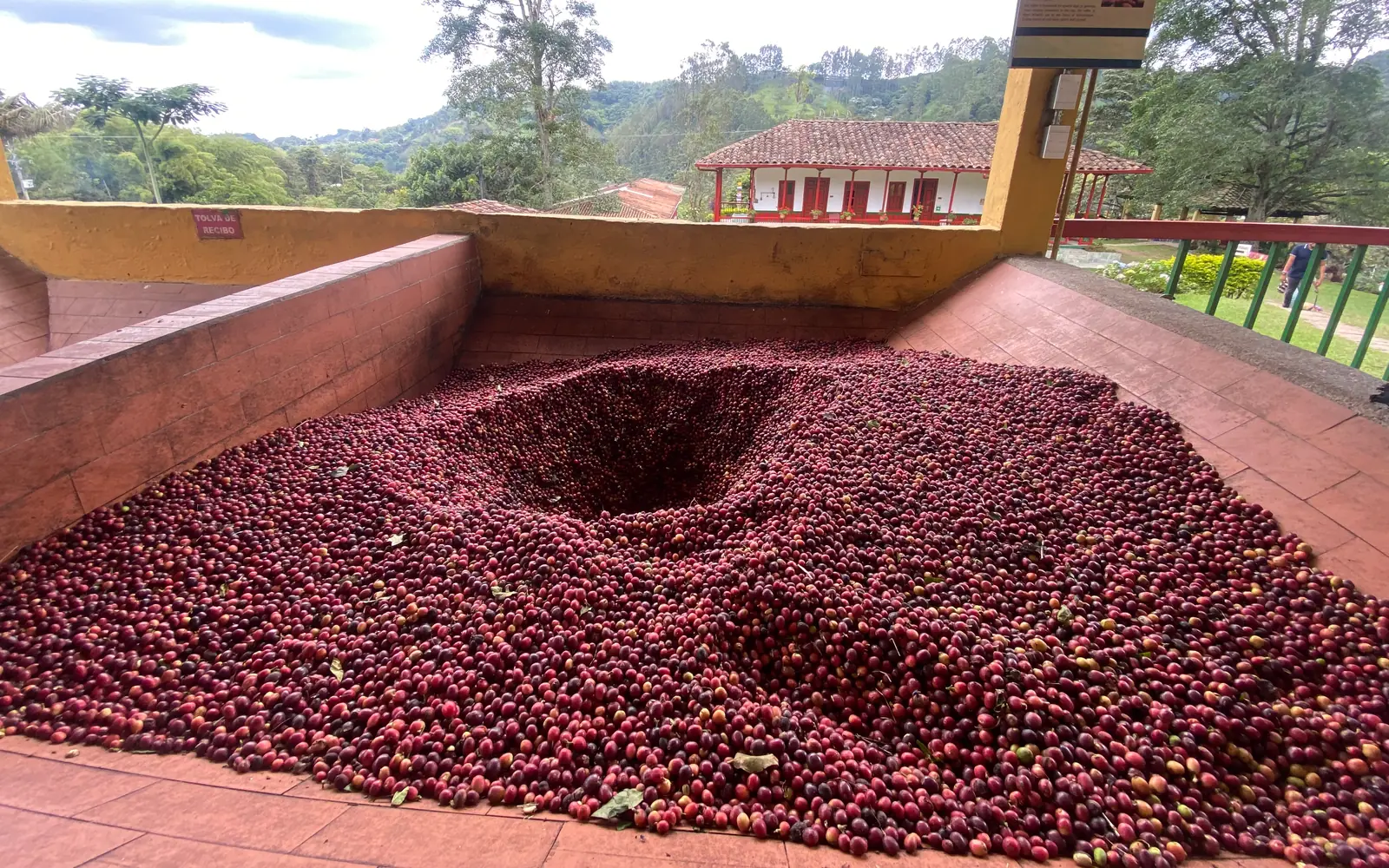
The whole cherry is dried, with its pulp and mucilage.
What dries · the whole cherry
In parabolic dryers and raised African beds, with moisture measured until it reaches 10–12%.
The Association has a physical and sensory analysis laboratory:
Results are recorded by lot and shared back with each family to adjust their practices for the next harvest.
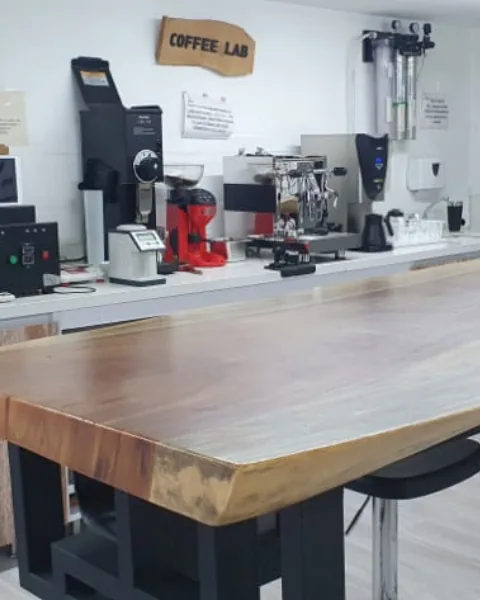
The lot’s score on the Specialty Coffee Association scale.
The attributes from that lot’s cupping.
The notes come from each lot’s analysis, not from the variety.
Green coffee is kept in GrainPro bags, on pallets, in a warehouse with temperature and humidity control. Samples are vacuum-packed.
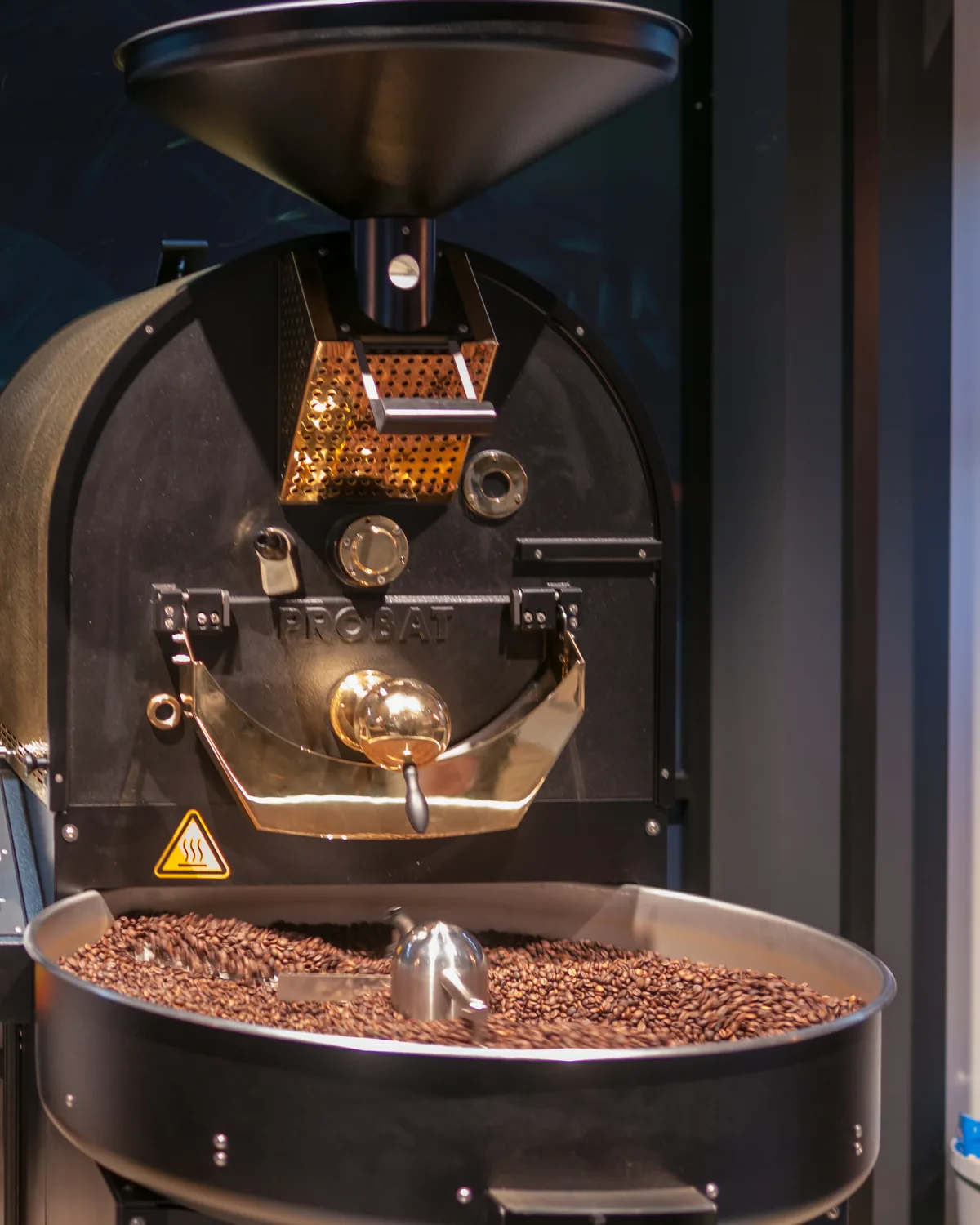
The Association roasts at origin, with a roast profile defined for each coffee.
The Association exports directly, with no intermediaries, to buyers anywhere in the world. Green coffee ships in 35 kg bags with GrainPro.